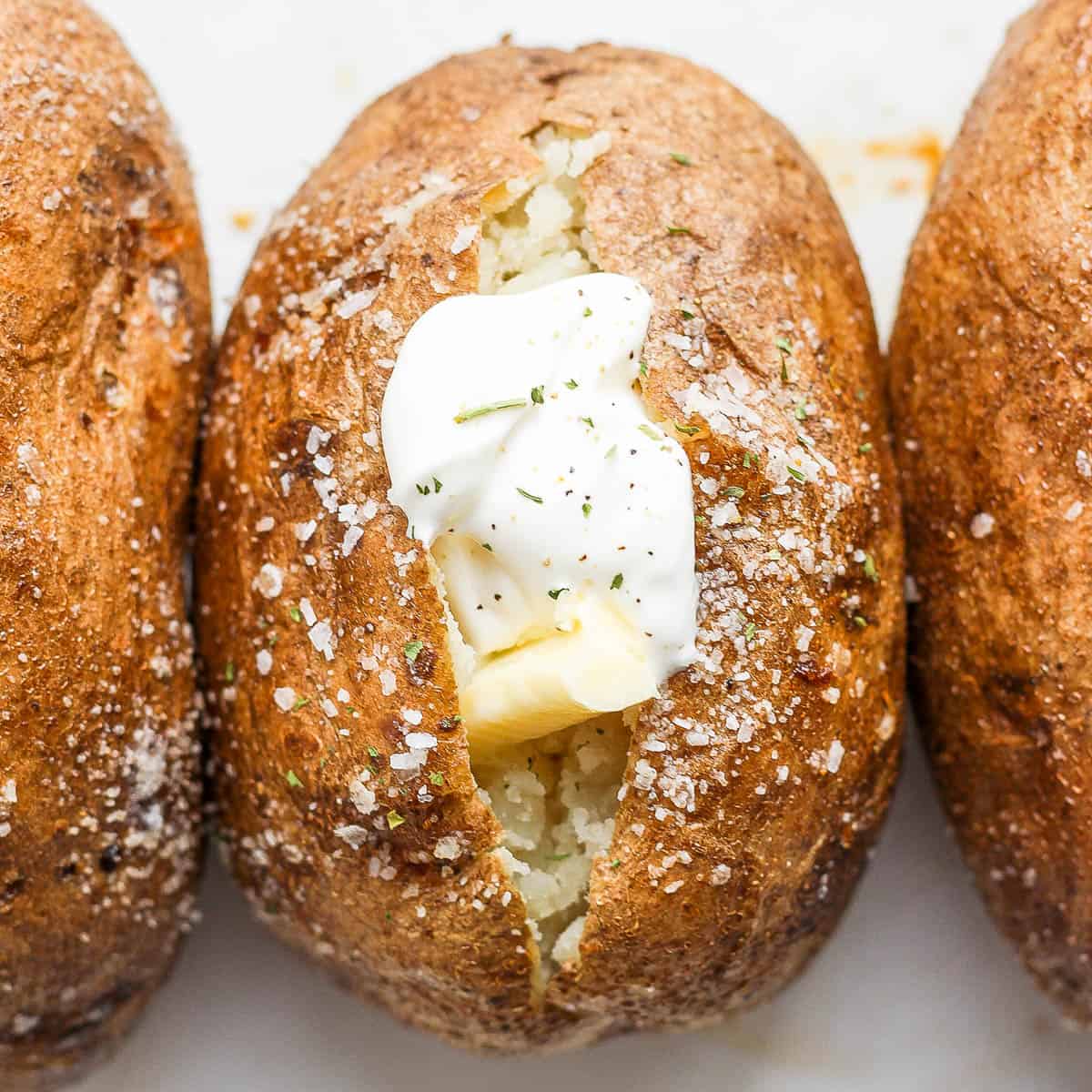
In a world increasingly seeking plant-based alternatives and mindful eating, the humble dollop of sour cream often feels like a luxurious indulgence, yet a challenging one for those avoiding dairy. For years, finding a truly satisfying dairy-free sour cream substitute meant compromising on flavor, texture, or ingredient quality. But what if we told you that creating a luscious, tangy, and incredibly versatile homemade dairy free sour cream is not only possible but surprisingly simple?
Forget the often-disappointing store-bought options that can be laden with fillers and artificial ingredients. This guide is your passport to crafting the best vegan sour cream right in your own kitchen. Whether you're paleo, Whole30, vegan, or simply looking to reduce dairy intake, our comprehensive approach will empower you to create a creamy condiment that rivals the real deal, perfect for everything from baked potatoes to rich casseroles and vibrant Mexican dishes.
Why Make Your Own Homemade Dairy-Free Sour Cream?
The allure of making your own dairy-free sour cream extends far beyond just dietary needs. While the primary driver for many is an intolerance or ethical choice, the benefits of a homemade version are numerous:
- Unbeatable Freshness & Flavor: Homemade simply tastes better. You control the ingredients, ensuring a vibrant, tangy profile that perfectly complements your meals.
- Customizable to Your Taste: Adjust the tanginess, thickness, and even add subtle herb infusions to match your culinary desires.
- Healthier Ingredients: By choosing your own components, you avoid unwanted additives, preservatives, and excessive sodium often found in commercial products. For instance, many homemade versions are naturally Whole30 and Paleo compliant.
- Cost-Effective: Often, making your own staple ingredients saves money in the long run, especially when compared to specialized dairy-free products.
- Accessibility: Dairy-free sour cream options can be limited depending on your grocery store. Making it at home ensures you always have it on hand.
Embracing a plant-based lifestyle doesn't mean sacrificing the creamy, rich textures you love. With a quality homemade dairy free sour cream, you can elevate countless dishes without compromise.
Unveiling the Key Ingredients: Coconut Cream vs. Cashews
When it comes to crafting non-dairy sour cream, two primary base ingredients stand out: cashews and coconut cream. Both offer distinct advantages, catering to different preferences and dietary needs.
The Creamy Power of Coconut Cream
For those seeking a quick, easy, and often allergen-friendlier option, coconut cream is a game-changer. It’s what many consider the secret to a Easy 3-Ingredient Dairy-Free Sour Cream with Coconut.
- No Soaking Required: This is perhaps coconut cream's biggest advantage. Unlike cashews, coconut cream is naturally smooth and doesn't require hours of soaking or a high-powered blender to achieve a silky texture. This makes for a truly No-Soak Dairy-Free Sour Cream: The Smoother Coconut Recipe.
- Whole30 & Paleo Compliant: Pure coconut cream, without added sweeteners or gums, aligns perfectly with these restrictive diets, making it a go-to for many.
- Naturally Rich Texture: The high-fat content of coconut cream naturally provides a thick, luxurious mouthfeel that mimics traditional sour cream incredibly well.
- Flavor Profile: While some might detect a faint coconut hint, it's usually very subtle, especially when combined with acidic elements like lemon juice. For savory dishes, this slight nuance often blends seamlessly or is masked by other strong flavors.
Pro Tip for Coconut Cream: For best results, chill a can of full-fat coconut cream (or full-fat coconut milk) in the fridge overnight. This allows the thick cream to separate from the watery liquid. You'll then scoop out only the solidified cream, leaving the liquid behind (though you can use a bit of this liquid later to thin your sour cream if needed).
The Classic Richness of Cashews
Cashew-based sour cream has long been a vegan staple, celebrated for its neutral flavor and exceptional creaminess. If you're not avoiding nuts, cashews offer a fantastic foundation:
- Neutral Flavor: Cashews lend a very neutral base, allowing the tangy elements to shine without any underlying flavor from the nut itself.
- Incredible Smoothness: When properly soaked and blended, cashews create an unparalleled smooth, thick, and genuinely creamy texture.
- Requires Soaking: To achieve that perfect smoothness, raw cashews need to be soaked. Overnight is ideal, but even an hour in hot water can work in a pinch. Soaking softens the nuts, making them easier to blend into a truly silky consistency.
- Blender Dependent: A high-speed blender is often recommended for cashew-based sour cream to ensure there are no gritty bits left behind.
Regardless of your base choice, the key to the signature "sour" flavor comes from acidic ingredients like lemon juice, apple cider vinegar, or even lime juice for a Mexican twist. A touch of sea salt balances the flavors beautifully.
Crafting Your Perfect Dairy-Free Sour Cream: A Step-by-Step Guide
The beauty of making homemade dairy free sour cream lies in its simplicity. We'll focus on the coconut cream method for its speed and ease, acknowledging the cashew method requires a bit more prep.
The Coconut Cream Method (Quick & Easy)
This method is incredibly fast and produces a delightful sour cream in minutes.
- Chill Your Coconut Cream: Place a can of full-fat coconut cream in the refrigerator overnight (or at least 8 hours). This is crucial for separating the thick cream from the liquid.
- Scoop the Cream: Open the chilled can. Carefully scoop out the thick, solidified coconut cream from the top. Leave the watery liquid at the bottom in the can; you can save it for smoothies or to thin your sour cream later if needed.
- Combine Ingredients: In a medium bowl, add the scooped coconut cream.
- Add Acidity & Salt: Introduce your chosen acidic agent (e.g., 2-3 tablespoons of fresh lemon juice or apple cider vinegar) and a pinch of sea salt. Start with less and add more to taste.
- Whisk Until Smooth: Using a whisk or a hand mixer, vigorously whisk the mixture until it's completely smooth and creamy. It should resemble the consistency of traditional sour cream. If it's too thick, add a tiny bit of the reserved coconut water (or regular water) until desired consistency is reached.
- Taste and Adjust: Give it a taste. Need more tang? Add more lemon juice. Too bland? A little more salt. This is where your personal preference comes into play!
The Cashew Method (Silky Smooth)
While a bit more involved, the cashew method yields an incredibly neutral and versatile sour cream.
- Soak Cashews: Place 1 cup of raw cashews in a bowl. Cover with hot water and let them soak for at least 1 hour, or ideally, overnight in cold water. Drain and rinse thoroughly.
- Blend Everything: Transfer the soaked cashews to a high-speed blender. Add 1/2 cup fresh water (or plant milk), 2-3 tablespoons of lemon juice or apple cider vinegar, and a generous pinch of sea salt.
- Blend Until Super Smooth: Blend on high speed, scraping down the sides as needed, until the mixture is completely smooth and creamy, without any grit. This might take 2-4 minutes depending on your blender.
- Adjust Consistency & Flavor: If too thick, add more water, one tablespoon at a time, until desired consistency is reached. Taste and adjust lemon juice and salt as needed for that perfect tang.
Beyond the Dollop: Creative Uses for Your Vegan Sour Cream
Once you've mastered your homemade dairy free sour cream, you'll be amazed at its versatility. It's not just for topping chili or baked potatoes! Think of it as a creamy, tangy powerhouse that can elevate countless dishes:
- Classic Toppings:
- Baked Potatoes: A quintessential pairing! Dollop generously on fluffy baked potatoes, sweet potatoes, or even grilled potatoes.
- Chili & Soups: Swirl into a warm bowl of hearty slow cooker chili, lentil soup, or even a creamy vegan pumpkin chili for an extra layer of richness.
- Mexican Fiesta: Essential for tacos, burritos, enchiladas, nachos, quesadillas, or a vibrant burrito bowl. Try adding a squeeze of lime juice for an authentic touch.
- Creamy Sauces & Dressings:
- Salad Dressings: Whisk with herbs, garlic, and a touch of olive oil to create a creamy ranch, green goddess, or cilantro-lime dressing.
- Pasta Sauces: Stir a spoonful into a tomato-based pasta sauce or a creamy vegan Alfredo to add a lovely tang and richness.
- Stroganoff: A perfect dairy-free alternative for classic stroganoff recipes, adding that characteristic creamy tang.
- Dips & Spreads:
- Veggie Dip: Mix with finely chopped herbs, onion powder, and garlic powder for an irresistible veggie dip.
- Sandwich Spreads: Use it as a tangy spread in wraps or sandwiches instead of mayonnaise.
- Baking:
- Many baking recipes call for sour cream to add moisture and tenderize the crumb. Your homemade vegan version can be a fantastic substitute in cakes, muffins, scones, and quick breads. Just be mindful of the moisture content if using a very thick coconut cream version.
- Breakfast & Brunch:
- Serve alongside pancakes, waffles, or fruit salads for a tangy, creamy alternative to yogurt or whipped cream.
Storage Secrets & Pro Tips for Longevity
Proper storage is key to enjoying your fresh homemade dairy free sour cream for as long as possible.
Storage
- Refrigerator: Store your vegan sour cream in an airtight container in the fridge for up to 1 week. Over time, the coconut-based version might thicken further or separate slightly; simply give it a good whisk before each use.
- Freezer: For longer storage, you can freeze dairy-free sour cream for up to 3 months. Place it in a freezer-safe container, leaving a little headspace as it might expand. Thaw overnight in the fridge. Once thawed, it may have a slightly different texture and might need a vigorous whisk or even a quick re-blend to regain its smoothness.
Pro Tips for Success
- Taste as You Go: This is the golden rule for any homemade condiment. Start with less lemon juice and salt, then gradually add more until it perfectly suits your palate.
- Adjusting Consistency: If your sour cream is too thick, add a tiny bit of water (or the reserved coconut water from the can) until you reach the desired consistency. If it's too thin, you might need to add a bit more coconut cream (if using) or blend in a few more soaked cashews.
- Embrace Freshness: Freshly squeezed lemon juice makes a significant difference in flavor compared to bottled varieties.
- Spice it Up: Don't hesitate to add a pinch of garlic powder, onion powder, or finely chopped fresh herbs like chives or dill to customize your sour cream for specific dishes.
- Blender Choice: While a whisk works for coconut cream, a good quality blender (especially a high-speed one for cashews) is invaluable for achieving the smoothest, most luxurious texture.
Mastering homemade dairy free sour cream opens up a world of culinary possibilities, allowing you to enjoy your favorite creamy dishes without compromise.
Creating your own homemade dairy free sour cream is a truly rewarding experience. It's an easy, economical, and incredibly flavorful way to enjoy a beloved condiment, tailored precisely to your dietary needs and taste preferences. From the rich simplicity of coconut cream to the silky neutrality of cashews, you now have the knowledge and tools to whip up a batch that will impress even the most discerning palates. So go ahead, experiment with the tang, savor the creaminess, and discover the endless versatility of this fantastic vegan staple in your kitchen. Your taste buds (and your gut) will thank you!
